Willi Plett's Bar Tab
Two Atlanta Flames-era heavyweights spent a season hunting each other. The record says three clashes but legend says eight. Decades later, they sat down together and had a few beers about it.

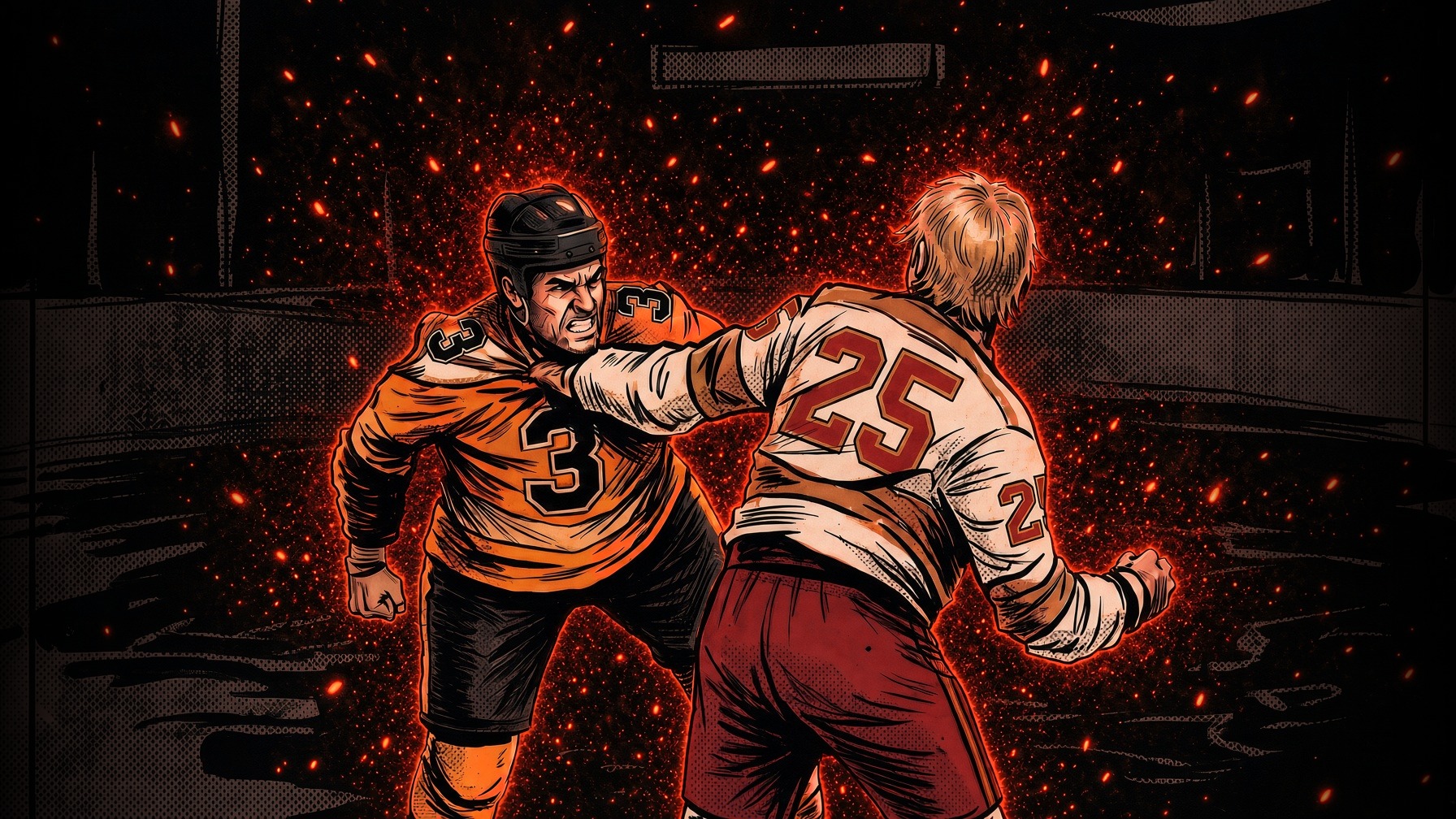
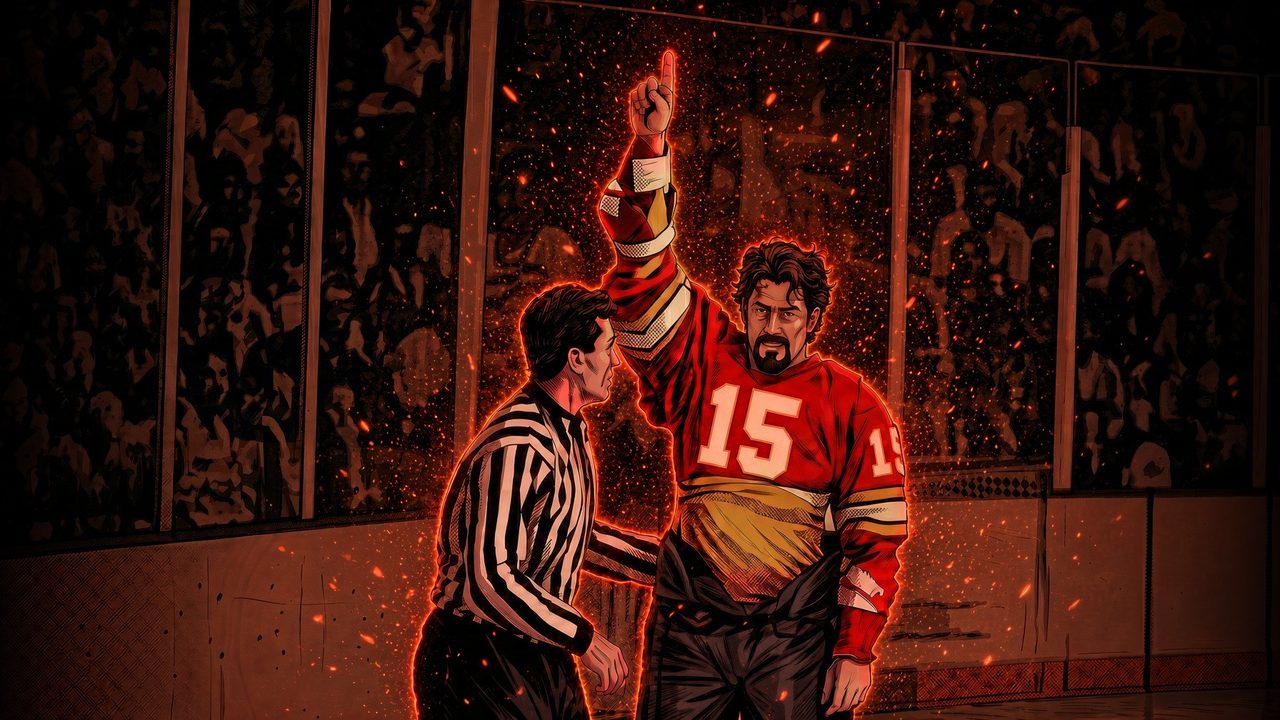
October 22, 1978. Sixteen minutes and fifty-eight seconds into the first period, and two men who have never dropped the gloves against each other yet are sizing one another up along the boards. Willi Plett’s plan, same as always, is to grab a fistful of sweater, pin the other man’s punching arm to his own chest, and grind him down. It is a plan that has worked on nearly everybody he has ever fought.
It does not survive first contact. Behn Wilson is too strong to be tied up, and both men seem to understand it at the same moment. The grappling stops. The haymakers start. By the time the linesmen get in, Plett has learned something about Wilson that will cost him for the next several years of his career: some men, you do not get to wrestle. You just have to stand and trade.
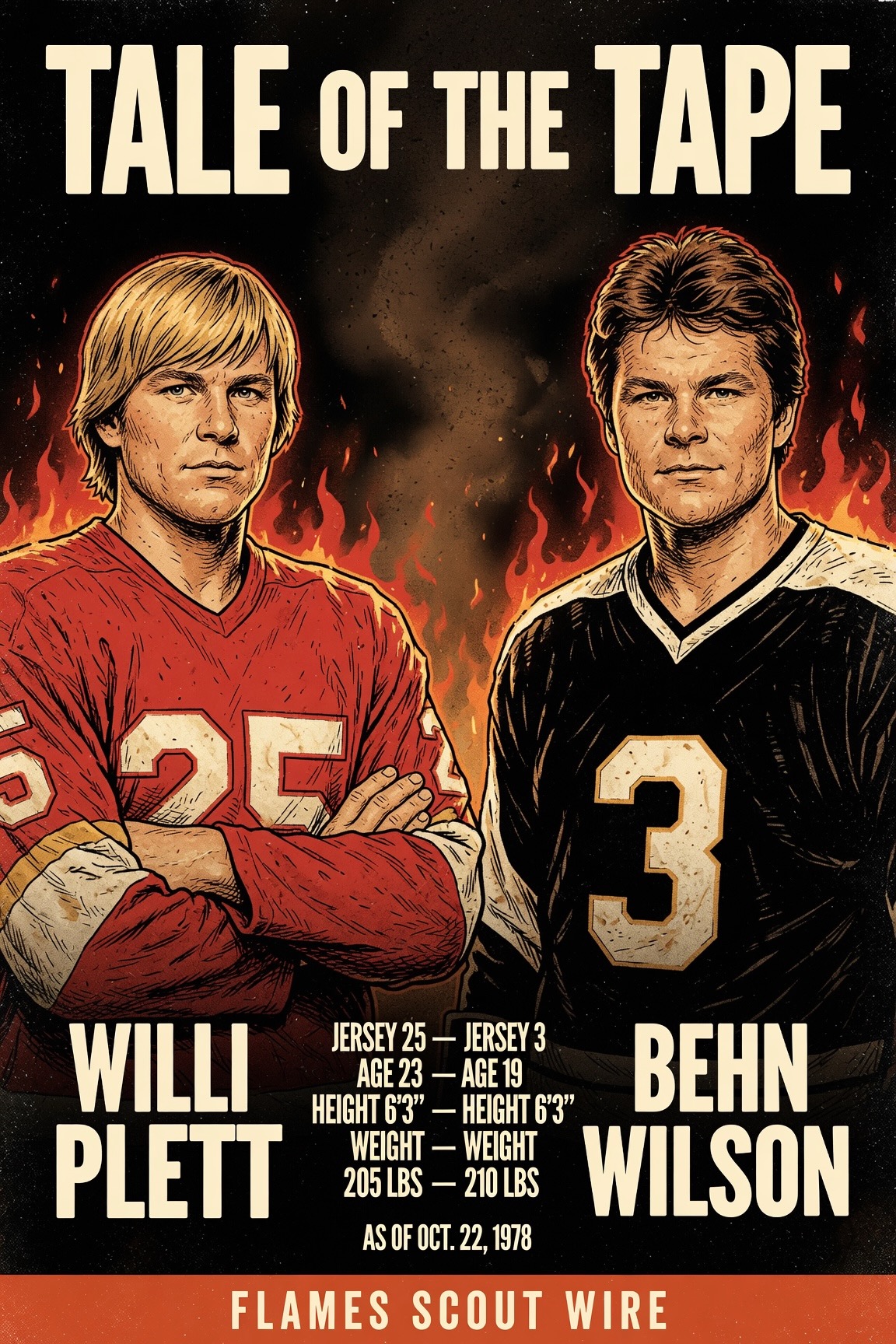
The grappler and the striker
Plett was Atlanta’s freight train, six foot three, built to take a beating and keep on skating. His fighting style matched his hockey, control the jersey, smother the arm, wear a man out with strength instead of speed. It worked because most opponents could not physically get free of him.
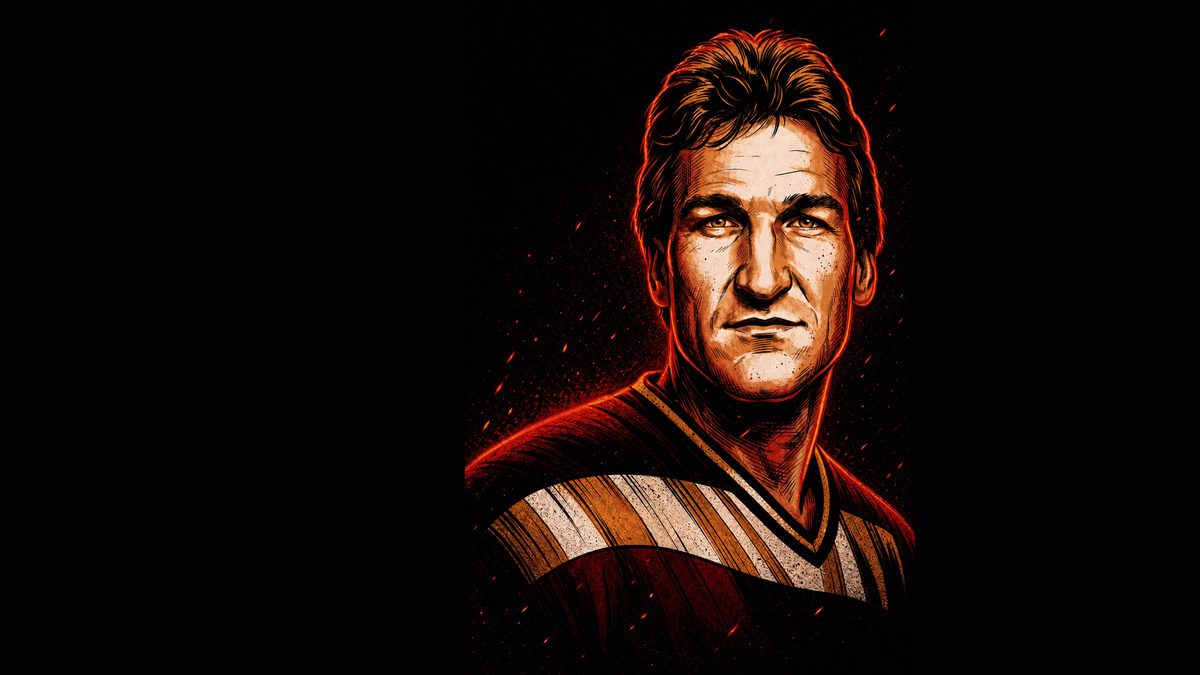
Wilson was not most opponents. Philadelphia’s rearguard was considered one of the strongest, orneriest defensemen the Flyers ever iced, a poised, balanced fighter who threw a right-handed uppercut that did not care how tightly you were holding on. Against Plett’s usual game, that was the one style built to beat it.
Round two, same building, different night
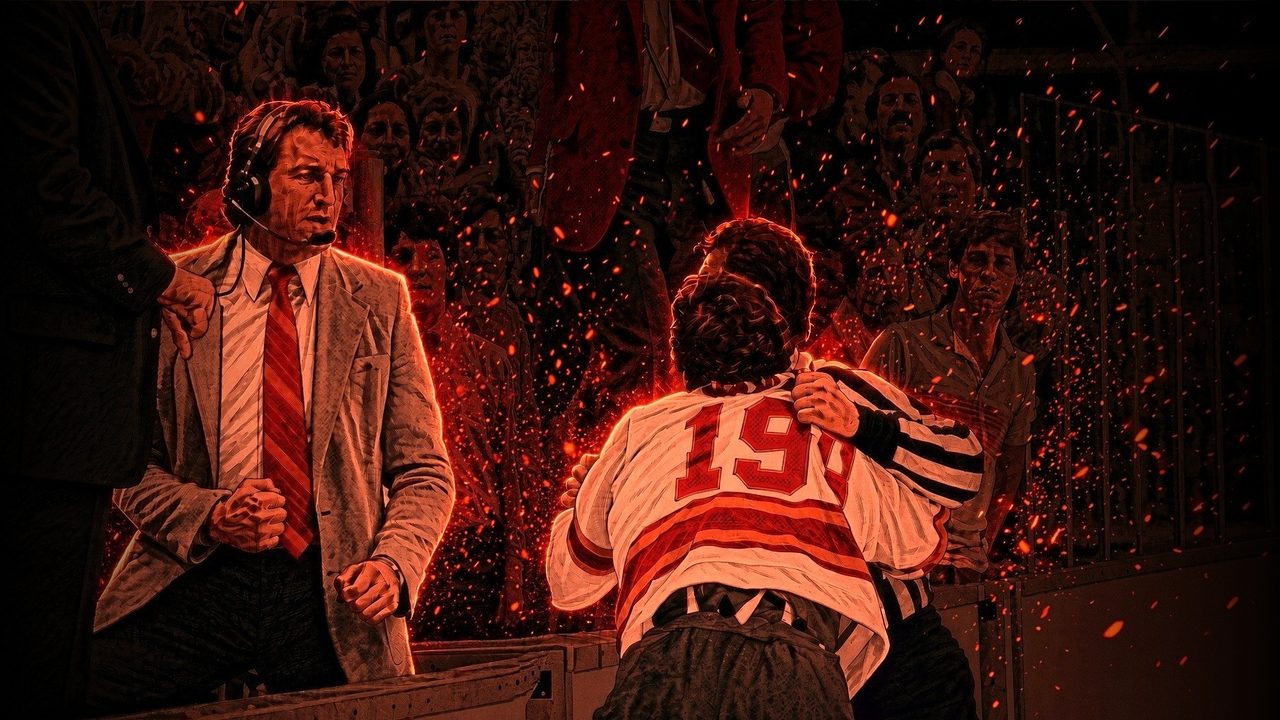
December 16, 1978. Less than two months after the first fight, they find each other again, this time fifteen minutes and five seconds into the first period. Whatever tension carried over from October has not cooled off. Wilson forces the same free-swinging exchange, and neither man will be the one to back off first. It is not a rematch so much as a continuation, the same argument, picked back up exactly where it left off.
Round three, and the rest of the room notices
January 16, 1979. A month later, they go again, in a game so physical it also produces a second fight entirely, Atlanta’s Harold Phillipoff squaring off with Philadelphia’s Andre Dupont on the same night. Three fights in three months, between the same two players, is not an accident of scheduling. By this point the whole building knows what an Atlanta-Philadelphia game means, and Wilson has become the one opponent who can reliably drag Plett out of his own game plan and into a street fight.
For the record: those are the three meetings that show up on the actual fight record, cross-checked against the date, time, and opponent logged for each one. Plett himself, years later, put the real number at seven or eight times across their careers, and Wilson, in a separate interview, landed on eight independently, without either man coordinating the story with the other. That kind of agreement from two guys who have no reason to compare notes is worth something. It just is not the same thing as a box score. The rest of the fights are real by both men’s own word. They are not provable, and a wire that sells accuracy does not pretend otherwise.
What was left over
Plett has said Wilson left him with a couple of permanent scars. By the end of it, the whole thing had gotten personal in a way most hockey fights never do. That is usually where these stories stop being fun to tell.
This one keeps going. Once the careers were over and neither man had to hold the other accountable anymore, they sat down together and talked it out over a few beers. Not a chance meeting, not a polite handshake at a golf tournament years later. An actual conversation, the kind two guys have when the thing that separated them stops mattering.
Flames Alumni's Willi Plett 70th-birthday career tribute on X
Why it still matters here
Every enforcer has a list of names he will not soften on. For Plett, the list started and mostly ended with one man from Philadelphia who would not let him win the way he usually won. He said so himself. The record backs up three of the fights and the rest is myth, which feels about right for a rivalry built as much on respect as on damage.
The bar tab from that night, whoever picked it up, is the only part of this story that never made it into a box score. Some things you just have to take a man’s word for.
View post on X
 Next in Tales from the Sin Bin → Jim Peplinski's Encounters with Cannibalism Forty years after Game 4 at the Montreal Forum, the truth about Claude Lemieux and Jim Peplinski is stranger than the legend, and a good deal funnier.